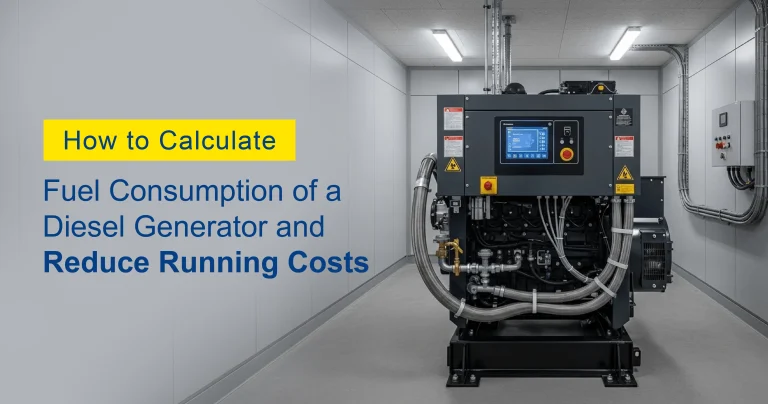
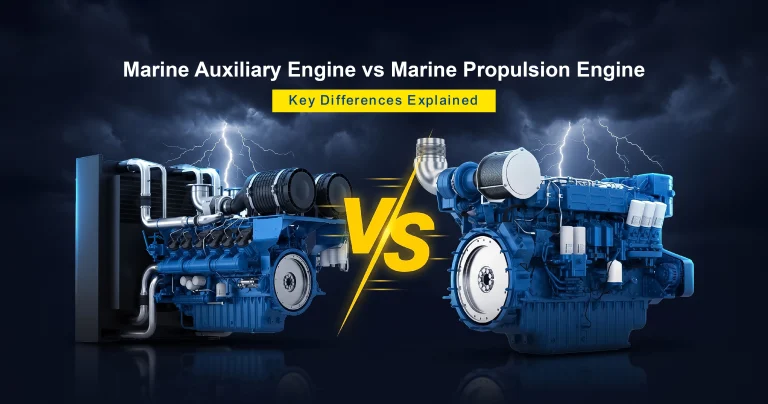
When utility power fails, an unmonitored generator set represents an immediate single point of failure. Operating a facility’s power system without active load control exposes infrastructure to unannounced blackouts, inflated fuel bills, and rapid mechanical degradation. For plant managers, facilities leaders, and maintenance personnel, achieving optimal generator performance demands precise load balancing, accurate surge calculation, and strict parameter control.
Mishandled load profiles directly damage operational budgets. Operating a DG engine under improper thermal and electrical loads leads to incomplete fuel combustion, elevated Brake-Specific Fuel Consumption (BSFC), and accelerated internal component wear—drastically increasing service frequency and cutting engine lifespan short.
The Hazards of Improper Engine Loading
Engine loading issues fall into two operational extremes: severe overloading or prolonged light-loading. Each condition triggers distinct mechanical failures:
- Engine Overload: Operating beyond an engine’s continuous or prime capacity elevates thermal stress across pistons, exhaust valves, and turbochargers. Sustained generator overload can increase the risk of diesel generator failure, degrade lubricating oil through thermal breakdown, risk cylinder head cracking, and cause sudden frequency drops that can trip sensitive connected electronics.
- Under-loading and Wet Stacking: Running a diesel engine below 30% of its rated capacity keeps combustion chamber temperatures too low for complete fuel burn. Unburnt fuel and carbon residues accumulate in the exhaust system, a condition known as wet stacking, leading to cylinder wall glazing, sticking valves, and high exhaust backpressure.
Performing an Accurate Diesel Generator Load Calculation
Preventing phase and capacity imbalances requires a systematic diesel generator load calculation before energising facility equipment. Calculating true power demand requires evaluating parameters beyond simple nameplate running wattages:
| Electrical Parameter | Calculation & Engineering Focus | Impact on Engine Performance |
| Running Load (kVA/kW) | Total active power required during steady-state operations. | Establishes baseline load factor (70% to 80% of total rating is optimal). |
| Motor Starting Surge (kVA) | Peak inductive inrush current drawn during electric motor startup (typically 3 to 5 times running current). | Requires adequate transient torque response to prevent severe voltage dips. |
| Phase Balance | Current draw distribution across three electrical phases (R, Y, B). | Imbalances over 10% cause parasitic heat buildup in alternator windings. |
To handle starting surges safely, engineering teams should establish a staged load-acceptance sequence. Energising heavy high-inrush motors first permits the engine block to recover transient response before smaller baseline circuits are brought online. These load management principles can also be relevant when evaluating power systems using a gas engine, although load characteristics and operating requirements may differ.
Load Factor Impact on Operating Costs and Maintenance
Maintaining an optimal load factor protects capital investment and operating budgets. The ideal operational window for industrial diesel engines lies between 70% and 80% of rated prime power capacity.
Operating within this window delivers maximum fuel efficiency per kilowatt-hour generated. Running below this threshold increases maintenance frequency due to carbon fouling, while continuously exceeding rated load shortens the Mean Time Between Overhauls (MTBO). Timely inspection and replacement of worn components from reliable diesel engine spare parts manufacturers can further support consistent engine performance and help prevent avoidable maintenance issues.
Automatic transfer switches (ATS) integrated with load-shed controls help maintain safe operating thresholds by isolating non-essential circuits during peak demand periods.
Engineering Power Reliability with Baudouin India
Achieving maximum mechanical output without straining system health requires a clear load management protocol backed by a heavy-duty engine built for severe duty cycles.
As one of the prominent diesel engine manufacturers in India, Baudouin India produces heavy-duty prime movers engineered to absorb high step-loads and variable power profiles. Manufactured at its facility in Pune, Maharashtra, Baudouin prime movers feature European engineering, High-Pressure Common Rail (HPCR) fuel injection, ISO 8528-5 Class G3 transient load performance, and full CPCB IV+ emission compliance.
For prime, continuous, or emergency backup installations, specifying a heavy-duty diesel engine for generator applications from Baudouin India ensures superior fuel economy, reduced service frequency, and extended engine life across critical commercial operations.